Wednesday, 26 February 2020

Drills


LI:To recall basic facts quickly

Our groups are finishing writing down our drills. We had to copy of the math question from our chrome books to our math books. Then we had to answer them. I attemted addition sheet 1. I found this really easy because I found a pattern that helped me finish this activity fast.

Tuesday, 25 February 2020

Descriptive writing

The "Descriptive Writing" activity is used for practising using descriptive language.

The comments function is used to describe any of the gathered photos.

There is a list of language features to help create descriptions.

The objective of this Discriptive writing activity is to improve descrptive language abilities.


Sir David Attenborough

LI:To learn something new

Today we did an activity called fact find. Fact find is when you learn about different topics.

We had to do this activity in groups of 2-3. My group chose Sir David Attenbrough. We had different jobs. My job was to find an image and a video.

I found this activity fun and interesting.


Math activities

LI:To practis idependant activities

Our groups started our rotation.

The activities we attempted were basic fact boxes, drills, abacus and finding a group logo.

We had to make a video of ourselves counting on the abacus.

I attempted the up to 5 speed demon challenge on basic facts boxes.

I found the abacus challenging because I had to count and take a video at the same time.


Friday, 21 February 2020

100th board

LI:To make a hundredths board

Today we had to finish our hundredths board. In a group we had to make a hundredths board using images like sports equipment and emojis. Our groups had to do furniture. We had to choose a different pies of furniture to be a number between 0 and 9 but before we do that we had to make a copy of the board we made. Then we had to use the images we had and put it into a order that is like a hundredths board. Then next we had to colour different parts of the grid and group them. Next we had to mix them all up so other people can solve this puzzle.

If you want to solve this puzzle click on this link and then once you do make a copy of it so you can edit it.

Wednesday, 19 February 2020

Areas of the print design rules

The Good, the Bad, and the Ugly - Print Design Rules

Use this document to record your notes as you go around the different posters to identify the four areas of print design.

Colour

Good
Bad
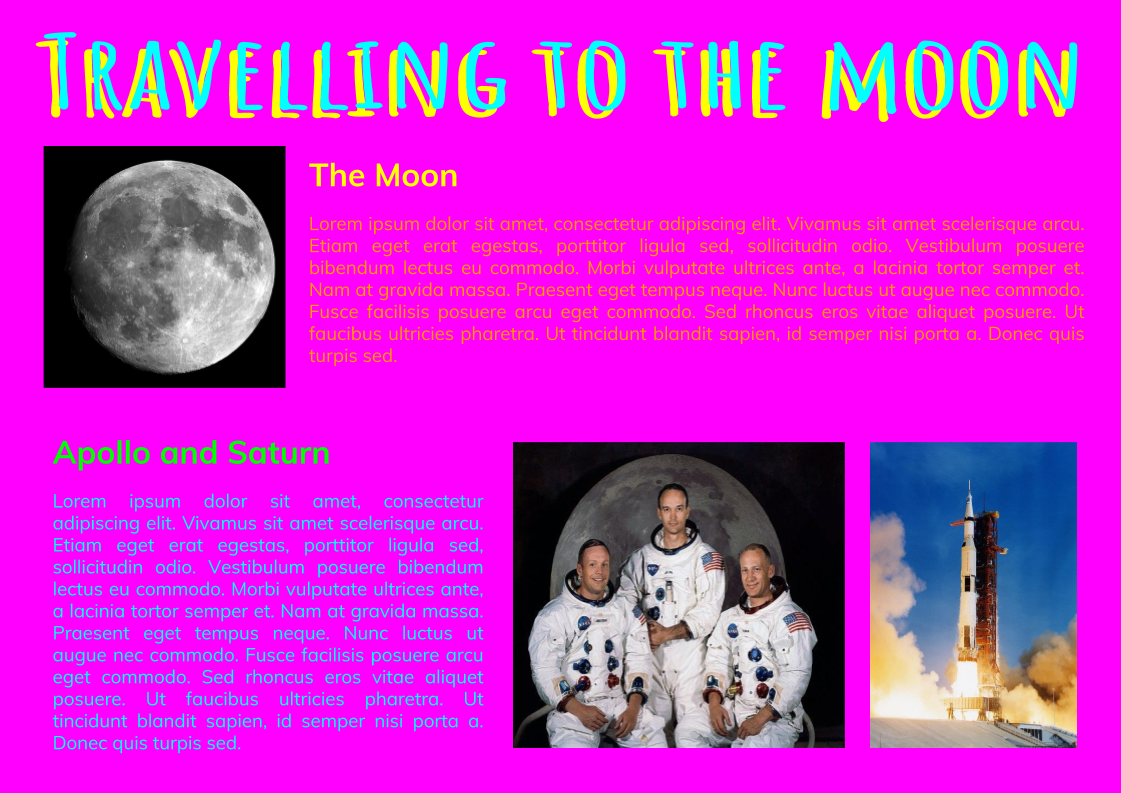
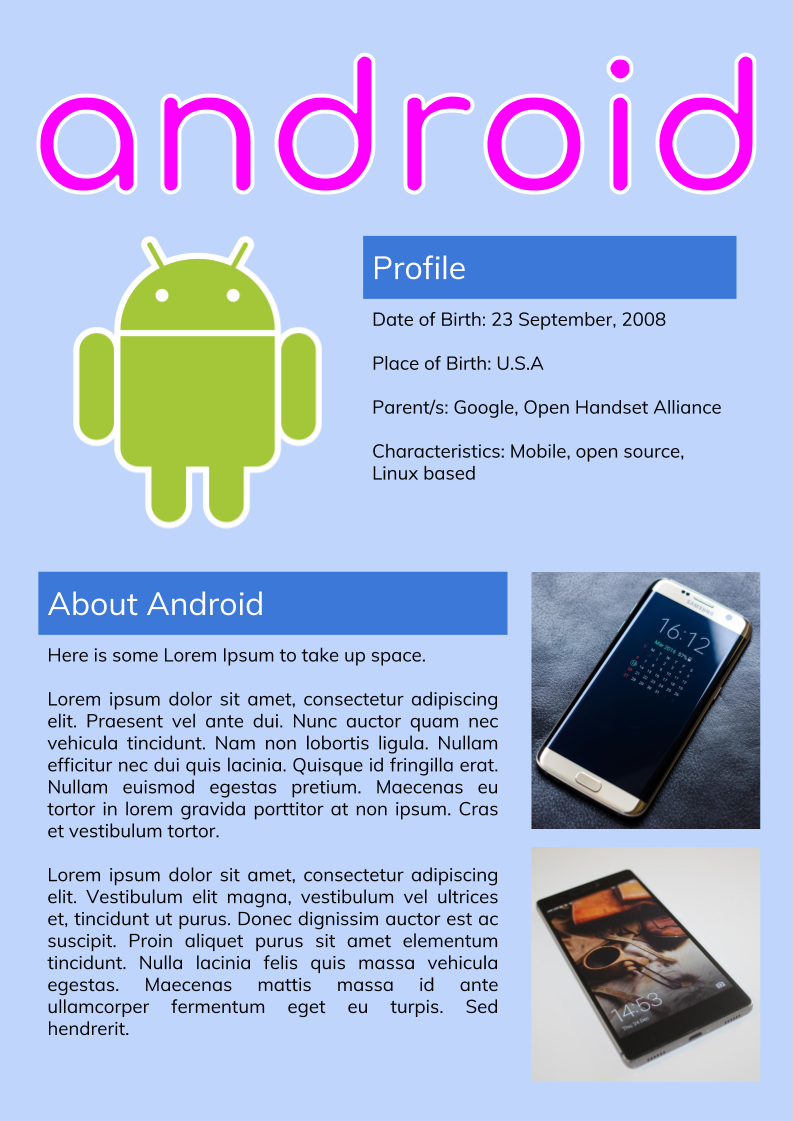
  • This is good because the colours are not clashing and you can see the text
  • This is bad because the colours are clashing and you can’t see the text
  • `
  • This is good because you can see the text and it is easier to read
  • This is bad because the text is harder to read and the colors are clashing.  

Composition

Good
Bad
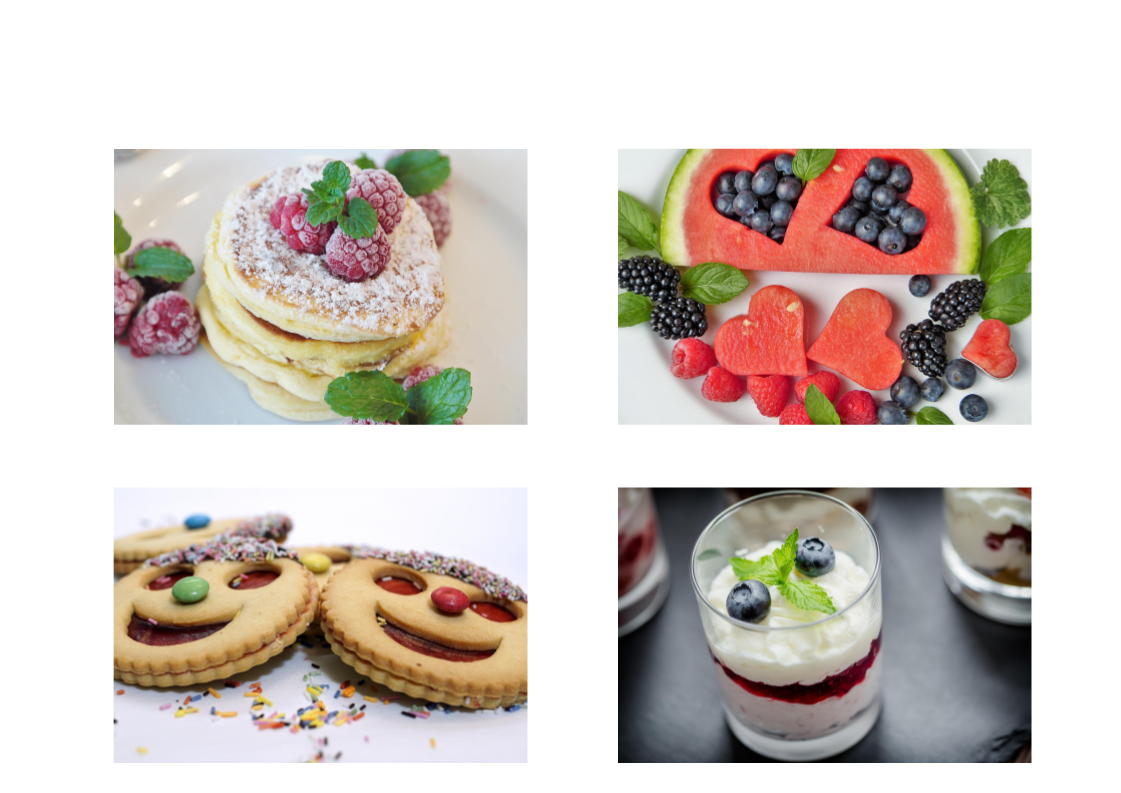
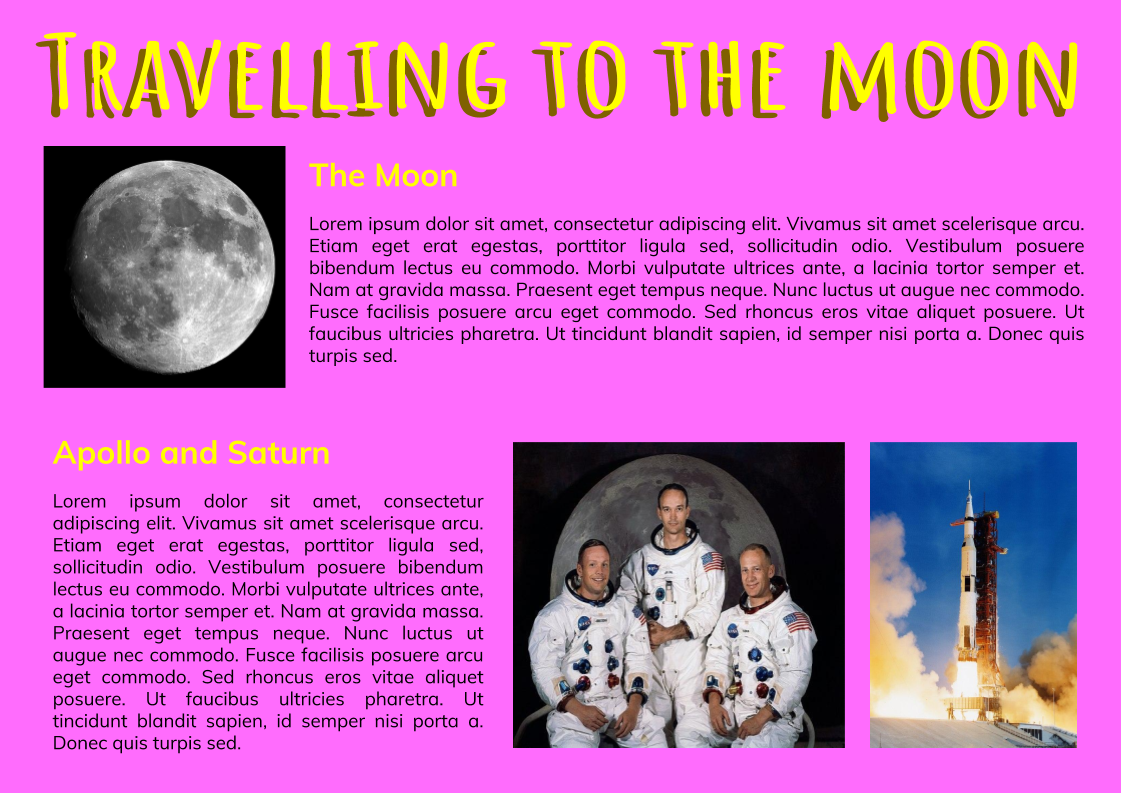
  • This is good because it has pictures.
  • This is bad because this has no photos and it’s going to be hard for people to understand.
  • This is good because it has a heading and it tells you what type of food it is.
  • This is bad because it has no heading and people think these are random photos.

Layout

Good
Bad
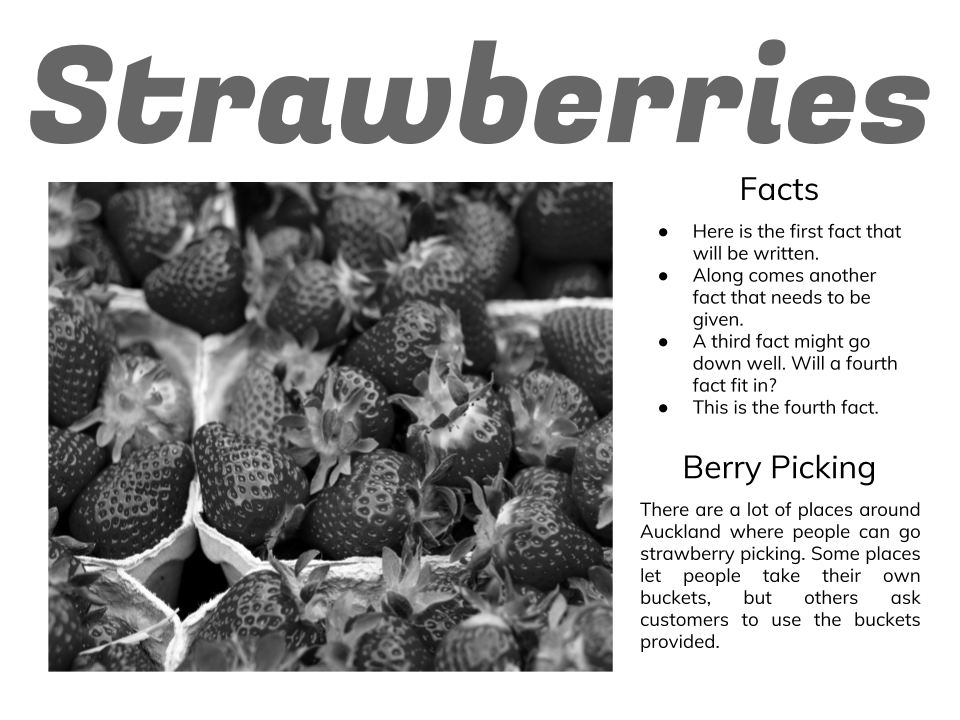
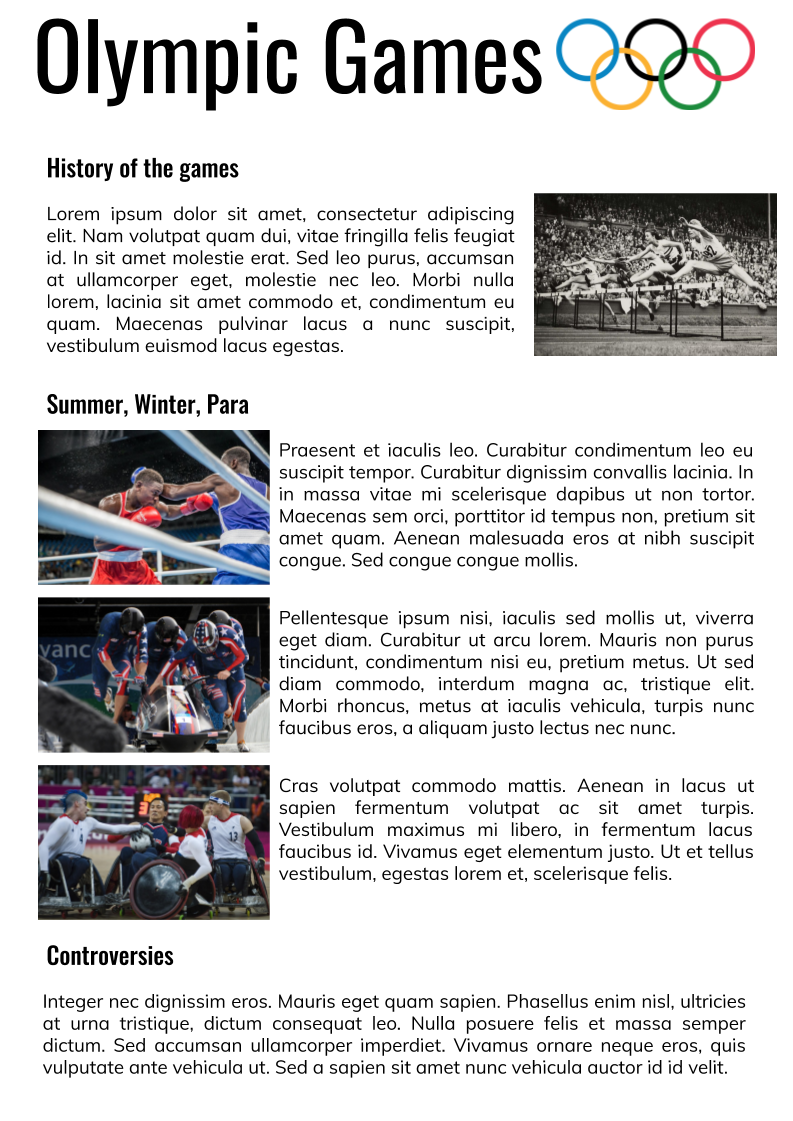
  • This is a good layout because the text is good and the picture is good 
  • This is bad because the text is on the corner and the reader will not understand.
  • This good because everything is aligned 
  • This is bad because it is overlapping with some text and the heading is not at the top.

Text

Good
Bad
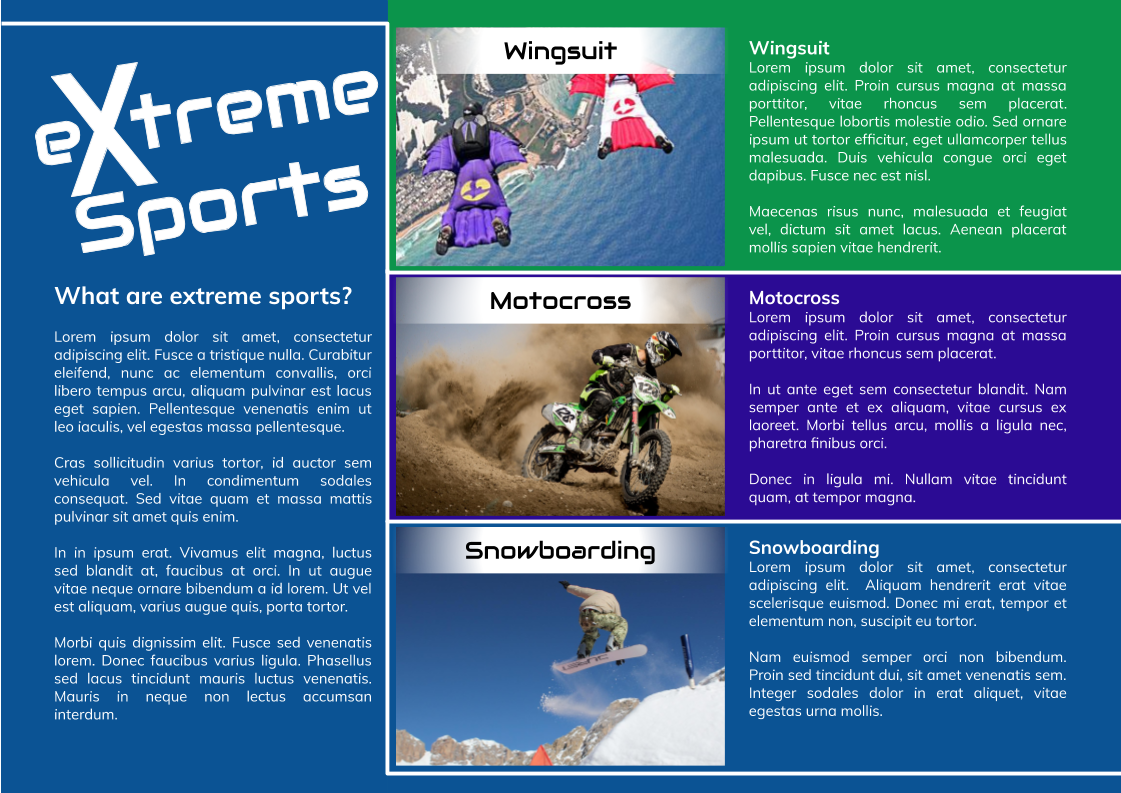
  • This is good because the text is all the same and they are the same size.
  • This is bad because the bottom text is bold and they all have different fonts.
  • This is good because the text is aligned with the pictures. 
  • The text and all over the place. The text is also center aligned.

Print design rule ideas
    • Composition:
      • Add balance when you add picture and texts
      • Organising the text and the picture so people understand 
    • Layout:
      • Align the text and images
      • Have margins 
    • Colour: 
      •  Try not using clashing colours
      •  Use a harmonic colour scheme
    • Text: 
      • The text has to have the same size and fonts 
      •  Make sure the text is legible


Print design rule ideas
  • Composition:
    •  Have a balance of pictures and sentences.
    •  Use images that relate to the text.
  • Layout:
    •  Have margins and align the text and images.
    •  Use most of the space
  • Colour:    
    •  Don’t use clashing colours. Use a harmonic colour scheme.
    •  Use contrasting background and foreground colors. 
  • Text: 
    •  Keep consistent fonts and sizes  
    • Make sure the text is legible. 

.


LI:To build an understanding in all the rules and areas of Print Design.

Today we are looking at the areas of the print design rules. They are Composion, layout, colour and text. The print design rules help make you DLO's better.

Composion is having a balance of pictures and sentences. Layout is having margins and alingn the text and images. Coulours is using contrasting backrounds and foreground colours. Text is keeping consistent fonts and sizes.

If you use the print design rules your DLO will be better and other people who read it can under stand what your saying. If you don't use the print design rules it will be ugly and people will lose intrest.



Friday, 14 February 2020

Positive relationship

LI:To make positive realationships

Today was LS1's first session of kiwi can. For this term our them is positive relationships and our topic for this week is playing fair.

We played switch places for our energizer. After our energizer we talked about farness and fair play. Next we played pizza tag to encourage fairness and fair play.

I was happy that everyone was included in the game and playing fairly.